
Do Backlinks Still Matter for Google Rankings in 2026?
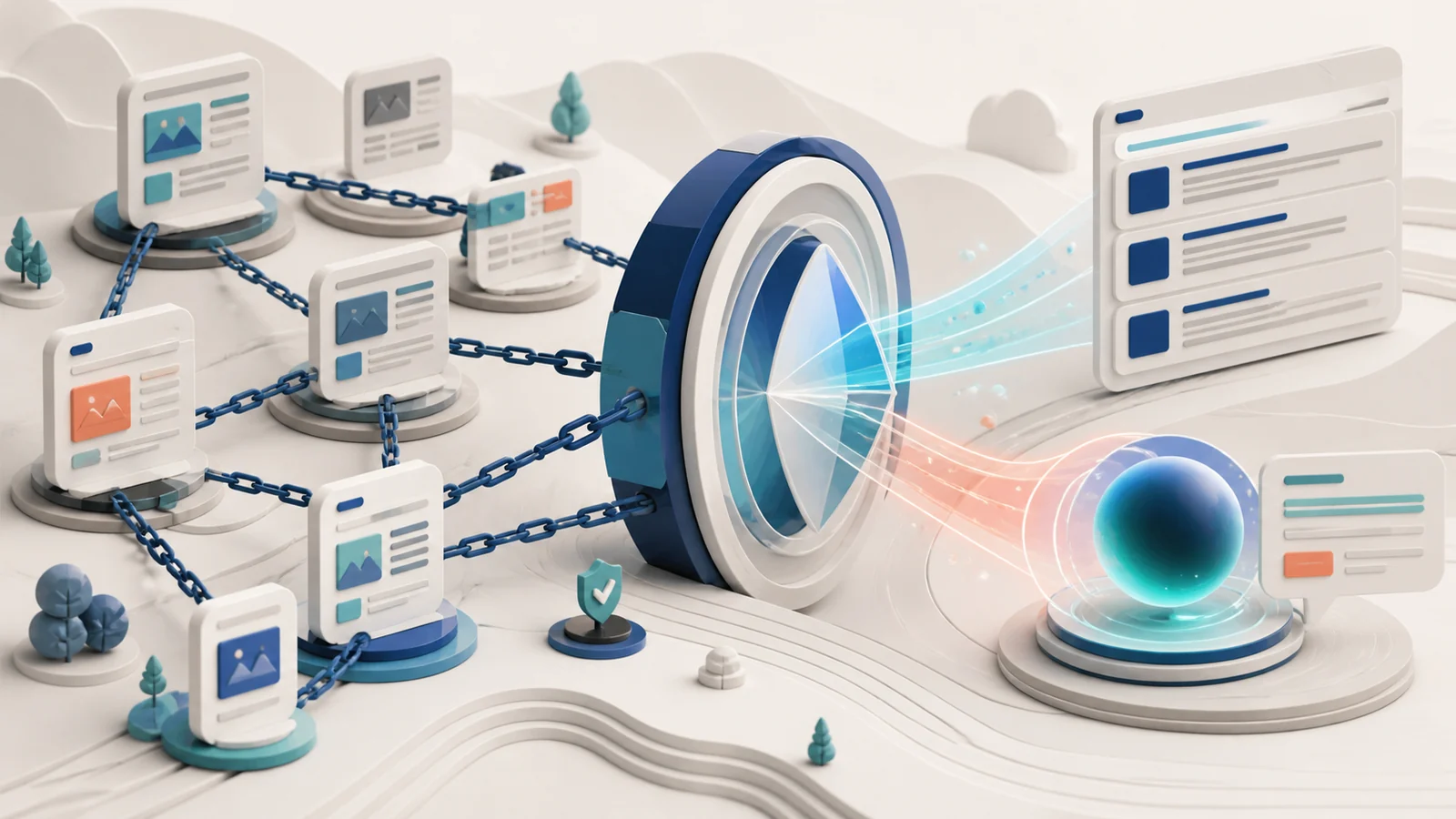
Every few years, someone declares backlinks dead. The claim is understandable because search engines have become much better at evaluating content, entities, and user intent. But better ranking systems do not make links irrelevant. They make weak link tactics less effective.
Backlinks still matter because the open web is built on references. What changed is the standard. Link quantity alone is not a strategy. In 2026, backlinks help when they confirm topical credibility, support discovery, send referral demand, and reinforce a page that already satisfies search intent.
Quick Answer
Yes, backlinks still matter in 2026, but they matter differently than they did years ago. Search engines evaluate links alongside content quality, relevance, intent match, technical accessibility, spam patterns, and entity trust. The links that help most are earned, relevant, and editorial.
Key Takeaways
- Backlinks still influence discovery, relevance, authority, and trust.
- Weak or manipulative link building is less reliable and more risky.
- Content quality and link quality must work together.
- AI search makes clear sourcing and entity confidence more important.
- The best backlink strategy in 2026 is editorial, relevant, and audience-first.
Why People Think Backlinks Are Dead
People question backlinks because Google has many ranking systems beyond links. Search engines can understand language better, evaluate helpfulness, detect spam, and interpret entities. That makes old-school link manipulation less effective.
Another reason is that some pages rank with fewer visible backlinks than competitors. This can happen when the page better satisfies intent, sits on a strong domain, benefits from internal links, or serves a less competitive query.
The conclusion should not be that backlinks are dead. The better conclusion is that backlinks are part of a broader system. A link profile cannot save bad content, but strong content is easier to rank and cite when the web supports it.
Where Backlinks Still Help in 2026
Backlinks still help in four practical ways: discovery, authority, topical association, and referral traffic. A relevant link from a respected page can help search engines find your content, understand why it matters, and compare it with similar resources.
Links also help build the reputation of a topic cluster. If your backlink checker guide earns citations, and it internally links to articles about backlink mistakes and white hat link building, that external authority can support the broader cluster.
For competitive keywords, backlinks are often a differentiator. Many top pages have good content. The pages that also earn credible references have an additional reason to be trusted.
| SEO Area | How Backlinks Help | What Matters Most |
|---|---|---|
| Discovery | Crawlers find new or updated URLs | Crawlable links from indexed pages |
| Authority | External references support credibility | Relevant editorial citations |
| Topical context | Anchors and surrounding text describe the page | Natural language and page relevance |
| AI search | Corroborated sources are easier to retrieve and cite | Clear answers plus trusted references |
When Backlinks Do Not Help Much
Backlinks do little when the target page fails search intent. If a page promises a complete guide but gives shallow advice, links may bring attention but not durable rankings. Searchers still need a satisfying answer.
Links also underperform when they are irrelevant. A backlink from a fashion coupon page to a B2B SEO guide sends weak context. Even if a third-party metric looks high, the topical relationship is poor.
Finally, links can become harmful when they are manipulative. Paid followed links, private blog networks, automated comment spam, and mass low-quality directories can create risk instead of value.
How AI Search Changes the Backlink Conversation
AI search systems still need reliable documents to retrieve, summarize, and cite. Backlinks are not the only signal, but credible references can support the broader evidence graph around a brand, author, or page.
This makes clarity more important. Pages should include direct answers, concise definitions, structured FAQs, comparison tables, original examples, and transparent sources. A page that is link-worthy and answer-friendly is more likely to perform across both classic search and AI surfaces.
The wrong GEO mindset is trying to manipulate AI answers. The right mindset is making your expertise easier to verify and cite.
2026 Backlink Relevance Checklist
- Does the linking page share the same topic or audience?
- Is the link editorial rather than paid or automated?
- Would a reader understand why the link is there?
- Does the target page answer the query better than competitors?
- Does the target page internally link to related cluster content?
- Can the page be summarized accurately by an answer engine?
A Balanced 2026 Link Strategy
A modern link strategy should combine content quality, internal linking, digital PR, and technical hygiene. Do not build backlinks in isolation. Build pages that deserve links, then connect those pages inside a logical content hub.
Use backlinks to validate expertise, not to mask thin content. Use internal links to help users move through the cluster. Use schema and FAQs to make answers clearer. Use Search Console and backlink checkers to measure what is working.
Backlinks still matter because trust still matters. The winning teams are simply more selective about the links they pursue.
Real-World Example
Two pages explain how to audit backlinks. One has generic advice and many low-quality links. The other has a clear workflow, screenshots, a checklist, expert quotes, and five editorial citations from SEO training resources. The second page has a stronger chance because links and usefulness reinforce each other.
Common Mistakes to Avoid
- Assuming links are dead because low-quality tactics stopped working.
- Ignoring links because content quality has become more important.
- Using AI search as an excuse for manipulative brand mentions.
- Building links to pages that do not satisfy the search intent.
- Overvaluing authority metrics while ignoring relevance.
Best Practices for 2026
- Pair every backlink campaign with content improvement.
- Target links from sources that make topical sense.
- Use internal links to distribute value across related articles.
- Monitor both rankings and referral traffic.
- Avoid shortcuts that violate spam policies.
Implementation Plan for do backlinks still matter
Use this section as the practical bridge between learning the concept and applying it. The point is not to publish another generic SEO article. The point is to create a page, campaign, or audit step that can earn trust from readers and make sense to search engines.
- Clarify the search intent. Write down whether the reader wants a definition, comparison, checklist, tool, risk explanation, or step-by-step workflow for do backlinks still matter.
- Choose the best target page. Match the topic to one primary URL instead of spreading similar content across several pages that compete with each other.
- Add proof. Include examples, tables, screenshots, original observations, or first-party data so the page is more useful than a rewritten summary.
- Connect the cluster. Link to related backlink articles with anchors that describe the next step in the reader's journey.
- Review link context. For every backlink or internal link, check the sentence around the link and confirm it explains why the destination is useful.
- Promote selectively. Share the page with publishers, communities, or partners who already care about the exact topic.
- Measure quality. Track referring domains, referral visits, ranking changes, impressions, and assisted conversions instead of counting links alone.
- Refresh quarterly. Update examples, add new questions, remove outdated advice, and improve internal links as the cluster grows.
Measurement Framework
A strong backlink article should be measured like an SEO asset, not a one-time post. Start with visibility metrics such as impressions, average position, indexed status, and clicks. Then review engagement metrics such as scroll depth, CTA clicks, and referral visits from linking pages.
For link-specific measurement, separate referring domains from total backlinks. One site can create many repeated links, so referring domains usually tell a clearer story. Review anchor text, page relevance, link placement, and whether the linked page is gaining organic impressions after the link appears.
| Metric | What It Reveals | Action to Take |
|---|---|---|
| Referring domains | How many unique sites cite the page | Prioritize quality sources and remove duplicate noise |
| Anchor text | How other pages describe the asset | Watch for unnatural exact-match patterns |
| Internal link clicks | Whether readers continue through the cluster | Improve anchors and page placement |
| Organic impressions | Whether search visibility is expanding | Refresh headings, summaries, and supporting examples |
Editorial Quality Standards
Before publishing or promoting content around do backlinks still matter, check whether the page would still be useful if backlinks were not part of the goal. That test keeps the article aligned with readers. A strong page should answer the core question quickly, explain the nuance, show examples, and give the reader a clear next action.
Quality also means avoiding overclaims. Backlinks can help, but they are not magic. Ranking depends on search intent, page quality, technical accessibility, competition, brand trust, and the broader topic cluster. The best content explains those limits honestly, which makes it more trustworthy for humans and easier for AI systems to summarize accurately.
AI Search, GEO, and AEO Summary
This article is structured for classic SEO and answer-focused discovery. The quick answer gives a concise response, the headings break the topic into retrievable sections, the table supports comparison intent, and the FAQ section answers natural follow-up questions. For generative search, the goal is to make the page easy to verify, summarize, and cite.
The practical rule is simple: publish clear claims, support them with useful examples, link to authoritative documentation when needed, and connect related pages with descriptive internal anchors. That structure helps readers, crawlers, and AI retrieval systems understand the page without forcing keywords.
Schema Markup Recommendation
Use Article schema for the main post and FAQPage schema for the questions below. The JSON-LD included in this page follows that structure and can be validated before advanced customization.
Recommended Next Reads
Continue through this backlink topic cluster with these related articles:
- Why Backlinks Are Important for SEO in 2026
- High Authority vs Low Authority Backlinks: What to Build
- White Hat Link Building Strategies That Actually Work
- How to Check Your Website's Backlinks: Tools and Steps
Backlink Topic Cluster Internal Links
These related guides support the full backlink learning path and reduce keyword cannibalization by focusing on different search intents:
- Importance of Backlinks for SEO in 2026 - importance of backlinks
- What Are Backlinks? Beginner's Guide - what are backlinks
- Types of Backlinks That Help Rankings - types of backlinks
- How to Get Backlinks Without Paying - how to get backlinks
- High Authority Backlinks: What to Build - high authority backlinks
- Backlink Mistakes That Hurt SEO - backlink mistakes
- White Hat Link Building Strategies - white hat link building
- Backlink Checker: Tools and Steps - backlink checker
- Backlinks vs Internal Links Explained - backlinks vs internal links
Authoritative Resources
For search engine guidance, link handling, spam policy, and schema validation, these official resources are the best reference points:
- Google Search Central link best practices
- Google Search spam policies
- Google SEO Starter Guide
- Google Article structured data
- Schema.org FAQPage
FAQs
Do backlinks still matter for Google rankings?
Yes. Backlinks still matter, especially when they are relevant, editorial, and connected to useful content.
Are backlinks less important than before?
Low-quality backlinks are less reliable than before, but strong links remain valuable when combined with helpful content and topical relevance.
Can a page rank without backlinks?
Yes, especially for low-competition or highly specific queries, but competitive topics often require authority signals including backlinks.
Do AI search engines use backlinks?
AI systems use many signals and retrieval methods. Credible citations and web references can support visibility because they help corroborate content.
Should I still invest in link building in 2026?
Yes, if the strategy is ethical, relevant, and built around assets people would genuinely cite.
What matters more: content or backlinks?
Both matter. Content satisfies the searcher, while backlinks help establish external credibility and discovery.
Conclusion
Do Backlinks Still Matter for Google Rankings in 2026? is not only a keyword topic. It is part of a larger backlink strategy that combines useful content, relevant citations, ethical outreach, and strong internal linking. The safest path is to create assets people want to reference, measure the links that arrive, and keep improving the pages that earn attention.
Need help planning a backlink content cluster or turning existing content into link-worthy assets? Visit Content Marketers or learn more about Content Marketers to start building a stronger SEO foundation.